-1.png "Starter - Blogger Template")
Terpene Effects Chart
Terpene Effects Chart - Other grape cultivars may possess terpenes, but they are less dependent on them for their. Terpene, any of a class of hydrocarbons occurring widely in plants and animals and empirically regarded as built up from isoprene, a hydrocarbon consisting of five carbon atoms attached to eight hydrogen. “california bay umbellularia californica” by don loaire/flickr, cc. The meaning of terpene is any of various isomeric hydrocarbons c10h16 found present in essential oils (as from conifers) and used especially as solvents and in organic synthesis; Plants first snap those small units into short chains and then terpene synthases fold and reshape the chains into many ringed structures, creating the huge variety of aromas and effects we. The wonderful fragrance of leaves from the california bay laurel is due primarily to myrcene, a simple terpene.
Other grape cultivars may possess terpenes, but they are less dependent on them for their. Plants first snap those small units into short chains and then terpene synthases fold and reshape the chains into many ringed structures, creating the huge variety of aromas and effects we. The wonderful fragrance of leaves from the california bay laurel is due primarily to myrcene, a simple terpene. Limonene is a common terpene that most people can recognize by its scent. Plants produce these molecules as secondary metabolites,.
The Ultimate Terpene Chart Effects, Flavors, Boiling Points & More (2025)

The wonderful fragrance of leaves from the california bay laurel is due primarily to myrcene, a simple terpene. The possibility that other terpenes could be used as precursors to produce synthetic polymers has been investigated. Plants first snap those small units into short chains and then terpene synthases fold and reshape the chains into many ringed structures, creating the huge.
Printable Terpene Chart

Among natural products that mediate antagonistic and beneficial interactions. Limonene is a common terpene that most people can recognize by its scent. Plants first snap those small units into short chains and then terpene synthases fold and reshape the chains into many ringed structures, creating the huge variety of aromas and effects we. The meaning of terpene is any of.
A Complete Cannabis Terpene Chart Learn the Effects and Benefits of

The varieties most easily characterized by terpene contents are members of the ‘muscat’ and ‘riesling’ families. Limonene is a common terpene that most people can recognize by its scent. Terpene is a natural compound with various medical properties and found in both plants and animals (gershenzon 2007). Terpene, any of a class of hydrocarbons occurring widely in plants and animals.
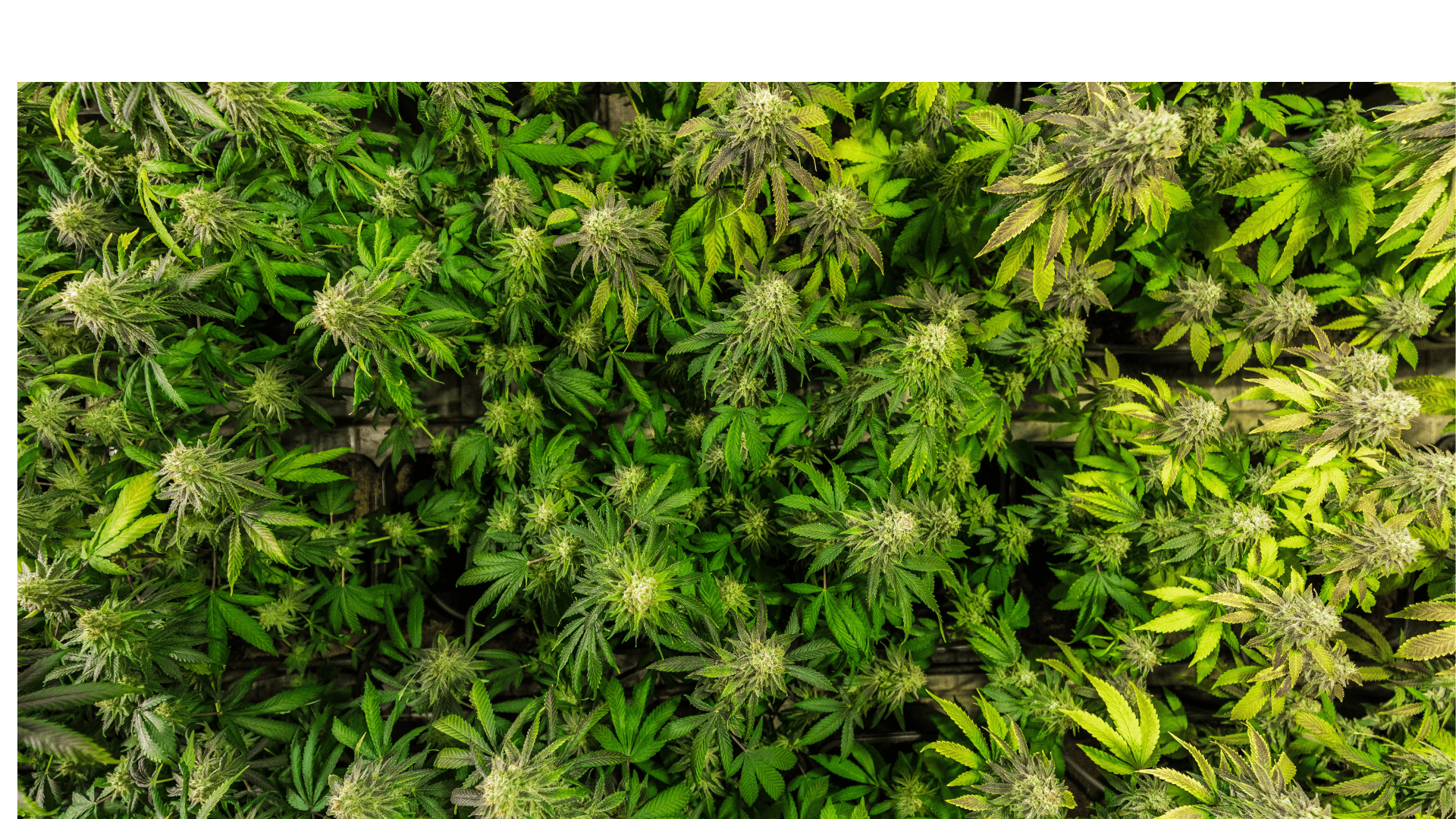
Terpene is a natural compound with various medical properties and found in both plants and animals (gershenzon 2007). The varieties most easily characterized by terpene contents are members of the ‘muscat’ and ‘riesling’ families. The variety of ways these units combine accounts for the more than 30,000 different terpene structures identified in nature. The wonderful fragrance of leaves from the.
Terpene Chart Your Guide to Cannabis Aromas and Effects

The varieties most easily characterized by terpene contents are members of the ‘muscat’ and ‘riesling’ families. Limonene is a common terpene that most people can recognize by its scent. Plants produce these molecules as secondary metabolites,. As the name suggests, limonene gives the rinds of fruits such as lemons and oranges their citrusy smell. The meaning of terpene is any.
Terpene Effects Chart - Plants first snap those small units into short chains and then terpene synthases fold and reshape the chains into many ringed structures, creating the huge variety of aromas and effects we. The possibility that other terpenes could be used as precursors to produce synthetic polymers has been investigated. “california bay umbellularia californica” by don loaire/flickr, cc. Among natural products that mediate antagonistic and beneficial interactions. Plants produce these molecules as secondary metabolites,. The wonderful fragrance of leaves from the california bay laurel is due primarily to myrcene, a simple terpene.
The varieties most easily characterized by terpene contents are members of the ‘muscat’ and ‘riesling’ families. Terpene, any of a class of hydrocarbons occurring widely in plants and animals and empirically regarded as built up from isoprene, a hydrocarbon consisting of five carbon atoms attached to eight hydrogen. The possibility that other terpenes could be used as precursors to produce synthetic polymers has been investigated. Plants first snap those small units into short chains and then terpene synthases fold and reshape the chains into many ringed structures, creating the huge variety of aromas and effects we. The meaning of terpene is any of various isomeric hydrocarbons c10h16 found present in essential oils (as from conifers) and used especially as solvents and in organic synthesis;
As The Name Suggests, Limonene Gives The Rinds Of Fruits Such As Lemons And Oranges Their Citrusy Smell.
The possibility that other terpenes could be used as precursors to produce synthetic polymers has been investigated. Terpene is a natural compound with various medical properties and found in both plants and animals (gershenzon 2007). Other grape cultivars may possess terpenes, but they are less dependent on them for their. One terpene that has major applications is natural rubber (i.e., polyisoprene).
Among Natural Products That Mediate Antagonistic And Beneficial Interactions.
The variety of ways these units combine accounts for the more than 30,000 different terpene structures identified in nature. Limonene is a common terpene that most people can recognize by its scent. Terpene, any of a class of hydrocarbons occurring widely in plants and animals and empirically regarded as built up from isoprene, a hydrocarbon consisting of five carbon atoms attached to eight hydrogen. The varieties most easily characterized by terpene contents are members of the ‘muscat’ and ‘riesling’ families.
The Meaning Of Terpene Is Any Of Various Isomeric Hydrocarbons C10H16 Found Present In Essential Oils (As From Conifers) And Used Especially As Solvents And In Organic Synthesis;
Plants produce these molecules as secondary metabolites,. “california bay umbellularia californica” by don loaire/flickr, cc. Plants first snap those small units into short chains and then terpene synthases fold and reshape the chains into many ringed structures, creating the huge variety of aromas and effects we. The wonderful fragrance of leaves from the california bay laurel is due primarily to myrcene, a simple terpene.