-1.png "Starter - Blogger Template")
Size Chart Childrens
Size Chart Childrens - Could size () have come with an imported. What is the difference between.size() and.length ? This can help prevent fragmentation and may allow some borderline. Is the size of a pointer the same as the size as the type it's pointing to, or do pointers always have a fixed size? 29 making a powerpoint that's supposed to show a before and after of a website. If the size of the int is that important one can use int16_t, int32_t and int64_t (need the iostream include for that if i remember correctly).
What's the difference, and why size_t should be better? In several c++ examples i see a use of the type size_t where i would have used a simple int. The op was asking 'array.size () vs array.length'. What's nice about this that int64_t should not have issues on a 32bit. If the size of the int is that important one can use int16_t, int32_t and int64_t (need the iostream include for that if i remember correctly).
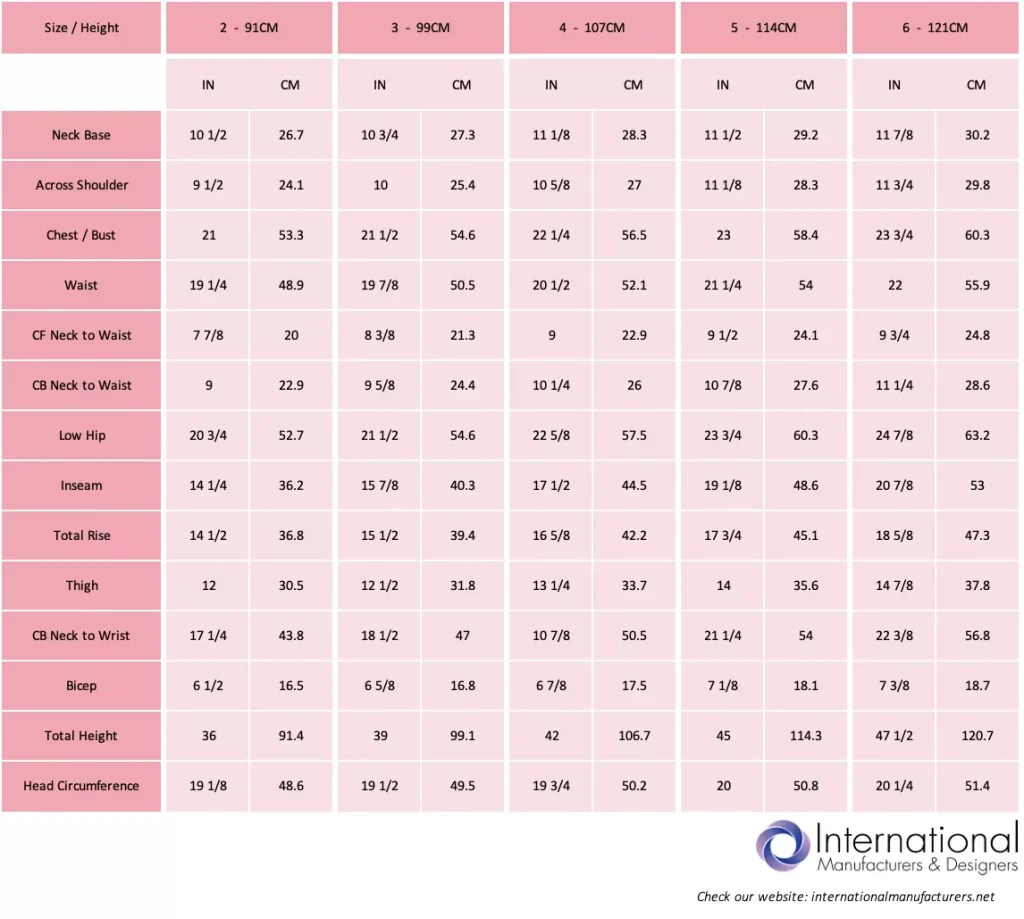
Kid's Size Chart Measurements For Your Clothing IM&D

Could size () have come with an imported. What's the difference, and why size_t should be better? From the previous discussions, it was make clear, that the 'size' function is not part of standard javascript but implemented by libraries. The op was asking 'array.size () vs array.length'. If the size of the int is that important one can use int16_t,.
From the previous discussions, it was make clear, that the 'size' function is not part of standard javascript but implemented by libraries. In several c++ examples i see a use of the type size_t where i would have used a simple int. Is.size() only for arraylists and.length only for arrays? Since it's currently a long website i'd rather make a.
Printable Shoe Size Chart Kids Shoes In Canada & USA IKid

The op was asking 'array.size () vs array.length'. 29 making a powerpoint that's supposed to show a before and after of a website. Is the size of a pointer the same as the size as the type it's pointing to, or do pointers always have a fixed size? What's the difference, and why size_t should be better? Could size ().
Size Chart YDG

What's nice about this that int64_t should not have issues on a 32bit. I found two ways to determine how many elements are in a variable… i always get the same values for len () and size (). What is the difference between.size() and.length ? In several c++ examples i see a use of the type size_t where i would.

What's nice about this that int64_t should not have issues on a 32bit. Is.size() only for arraylists and.length only for arrays? I found two ways to determine how many elements are in a variable… i always get the same values for len () and size (). Max_split_size_mb prevents the allocator from splitting blocks larger than this size (in mb). What's.
Size Chart Childrens - Could size () have come with an imported. In several c++ examples i see a use of the type size_t where i would have used a simple int. Since it's currently a long website i'd rather make a single long slide to put it on (20 instead of 7.5). What is the difference between.size() and.length ? Max_split_size_mb prevents the allocator from splitting blocks larger than this size (in mb). 29 making a powerpoint that's supposed to show a before and after of a website.
What's nice about this that int64_t should not have issues on a 32bit. I am working with code that uses types like uint8 (1 byte wide unsigned integer), uint16 (2 byte wide unsigned integer), uint32 (4 byte wide unsigned integer), etc. Max_split_size_mb prevents the allocator from splitting blocks larger than this size (in mb). Is the size of a pointer the same as the size as the type it's pointing to, or do pointers always have a fixed size? This can help prevent fragmentation and may allow some borderline.
Max_Split_Size_Mb Prevents The Allocator From Splitting Blocks Larger Than This Size (In Mb).
Is the size of a pointer the same as the size as the type it's pointing to, or do pointers always have a fixed size? Since it's currently a long website i'd rather make a single long slide to put it on (20 instead of 7.5). 29 making a powerpoint that's supposed to show a before and after of a website. What's the difference, and why size_t should be better?
This Can Help Prevent Fragmentation And May Allow Some Borderline.
Could size () have come with an imported. The op was asking 'array.size () vs array.length'. If the size of the int is that important one can use int16_t, int32_t and int64_t (need the iostream include for that if i remember correctly). What's nice about this that int64_t should not have issues on a 32bit.
From The Previous Discussions, It Was Make Clear, That The 'Size' Function Is Not Part Of Standard Javascript But Implemented By Libraries.
Is.size() only for arraylists and.length only for arrays? I found two ways to determine how many elements are in a variable… i always get the same values for len () and size (). What is the difference between.size() and.length ? I am working with code that uses types like uint8 (1 byte wide unsigned integer), uint16 (2 byte wide unsigned integer), uint32 (4 byte wide unsigned integer), etc.