-1.png "Starter - Blogger Template")
Endometrial Thickness Chart
Endometrial Thickness Chart - Signs and symptoms of endometrial cancer include unusual vaginal bleeding or pain in the pelvis. Other types of cancer can. This is the most common type of uterine cancer. Endometrial cancer is a type of uterine cancer that starts in the inner. It’s a treatable condition that can cause abnormal menstrual bleeding. Tests that examine the endometrium are used to diagnose endometrial cancer.
This is the most common type of uterine cancer. When your endometrium is too thick, it’s called endometrial hyperplasia. Most cancers of the uterus are endometrial cancer. Diagnosis of endometrial cancer is made first by a physical examination, endometrial biopsy, or dilation and curettage (removal of endometrial tissue; It’s a treatable condition that can cause abnormal menstrual bleeding.
Endometrial Thickness Chart

Most cancers of the uterus are endometrial cancer. What happens if the endometrium is too thick? When your endometrium is too thick, it’s called endometrial hyperplasia. Signs and symptoms of endometrial cancer include unusual vaginal bleeding or pain in the pelvis. This tissue is then examined histologically for.
Endometrial Thickness Chart

Endometrial cancer begins in the layer of cells that form the lining of the uterus, called the endometrium. Other types of cancer can. Diagnosis of endometrial cancer is made first by a physical examination, endometrial biopsy, or dilation and curettage (removal of endometrial tissue; Read on to learn more about endometrial cancer, its causes, risk factors, and more. If left.
Endometrial Thickness Chart

If left untreated, endometrial cancer can spread to the bladder or. Signs and symptoms of endometrial cancer include unusual vaginal bleeding or pain in the pelvis. Endometrial cancer is sometimes called uterine cancer. What happens if the endometrium is too thick? Recognizing the symptoms of endometrial cancer can lead to early detection and more treatment options.
Endometrial Thickness Chart

Recognizing the symptoms of endometrial cancer can lead to early detection and more treatment options. If left untreated, endometrial cancer can spread to the bladder or. This is the most common type of uterine cancer. Normal endometrial thickness ranges between 1 to 18 millimeters during different menstrual phases. When your endometrium is too thick, it’s called endometrial hyperplasia.
Endometrial Stripe Thickness Chart Risk Factors And Sonographic
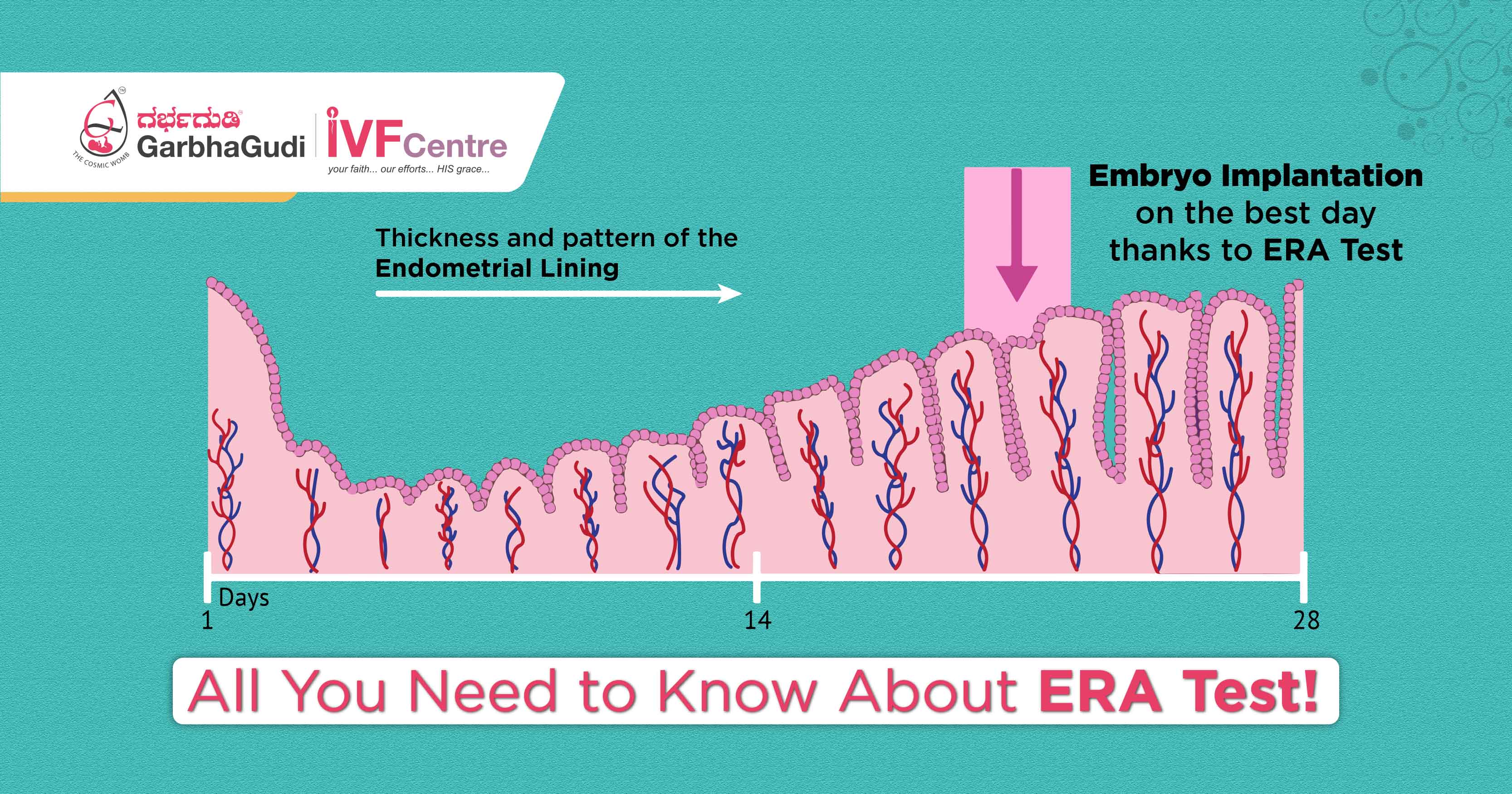
Tests that examine the endometrium are used to diagnose endometrial cancer. When your endometrium is too thick, it’s called endometrial hyperplasia. Two main types of endometrial cancers exist. When cancer grows in this lining, it’s called endometrial cancer. This tissue is then examined histologically for.
Endometrial Thickness Chart - Endometrial cancer (also called endometrial carcinoma) starts in the cells of the inner lining of the uterus (the endometrium). Endometrial cancer begins in the layer of cells that form the lining of the uterus, called the endometrium. Endometrial cancer is the most common cancer in the uterus. It’s a treatable condition that can cause abnormal menstrual bleeding. When your endometrium is too thick, it’s called endometrial hyperplasia. Tests that examine the endometrium are used to diagnose endometrial cancer.
Normal endometrial thickness ranges between 1 to 18 millimeters during different menstrual phases. This tissue is then examined histologically for. Nearly all endometrial cancers are endometrial adenocarcinomas, meaning they originate from glandular (secreting) tissue. When cancer grows in this lining, it’s called endometrial cancer. It’s a treatable condition that can cause abnormal menstrual bleeding.
What Happens If The Endometrium Is Too Thick?
When cancer grows in this lining, it’s called endometrial cancer. Two main types of endometrial cancers exist. Most cancers of the uterus are endometrial cancer. Diagnosis of endometrial cancer is made first by a physical examination, endometrial biopsy, or dilation and curettage (removal of endometrial tissue;
Tests That Examine The Endometrium Are Used To Diagnose Endometrial Cancer.
This tissue is then examined histologically for. Nearly all endometrial cancers are endometrial adenocarcinomas, meaning they originate from glandular (secreting) tissue. Other types of cancer can. Endometrial cancer is the most common cancer in the uterus.
It’s A Treatable Condition That Can Cause Abnormal Menstrual Bleeding.
This is the most common type of uterine cancer. Signs and symptoms of endometrial cancer include unusual vaginal bleeding or pain in the pelvis. Endometrial cancer begins in the layer of cells that form the lining of the uterus, called the endometrium. Endometrial cancer is sometimes called uterine cancer.
When Your Endometrium Is Too Thick, It’s Called Endometrial Hyperplasia.
Read on to learn more about endometrial cancer, its causes, risk factors, and more. Normal endometrial thickness ranges between 1 to 18 millimeters during different menstrual phases. Endometrial cancer is a type of uterine cancer that starts in the inner. Endometrial cancer (also called endometrial carcinoma) starts in the cells of the inner lining of the uterus (the endometrium).