-1.png "Starter - Blogger Template")
Endocrine System Chart
Endocrine System Chart - Your endocrine system is in charge of creating and releasing hormones to maintain countless bodily functions. Hormones influence nearly every aspect of life, from regulating blood. Hormones are chemical substances that affect the activity of another part of the body (target site). Anatomy (structures) of the endocrine system the endocrine system consists of cells, tissues, and organs that secrete hormones as a primary or secondary function. The endocrine system consists of glands and tissues that secrete hormones to regulate physiological functions. It controls metabolism, growth, development, reproduction, sleep, and.
Hormones are chemical substances that affect the activity of another part of the body (target site). The endocrine gland is the major. Endocrine system, any of the systems found in animals for the production of hormones, substances that regulate the functioning of the organism. The endocrine system consists of glands and tissues that secrete hormones to regulate physiological functions. The endocrine system uses chemical messengers called hormones to regulate a range of bodily functions through the release of hormones.
Anatomy Of Endocrine System Image Anatomy System Human Body Anatomy
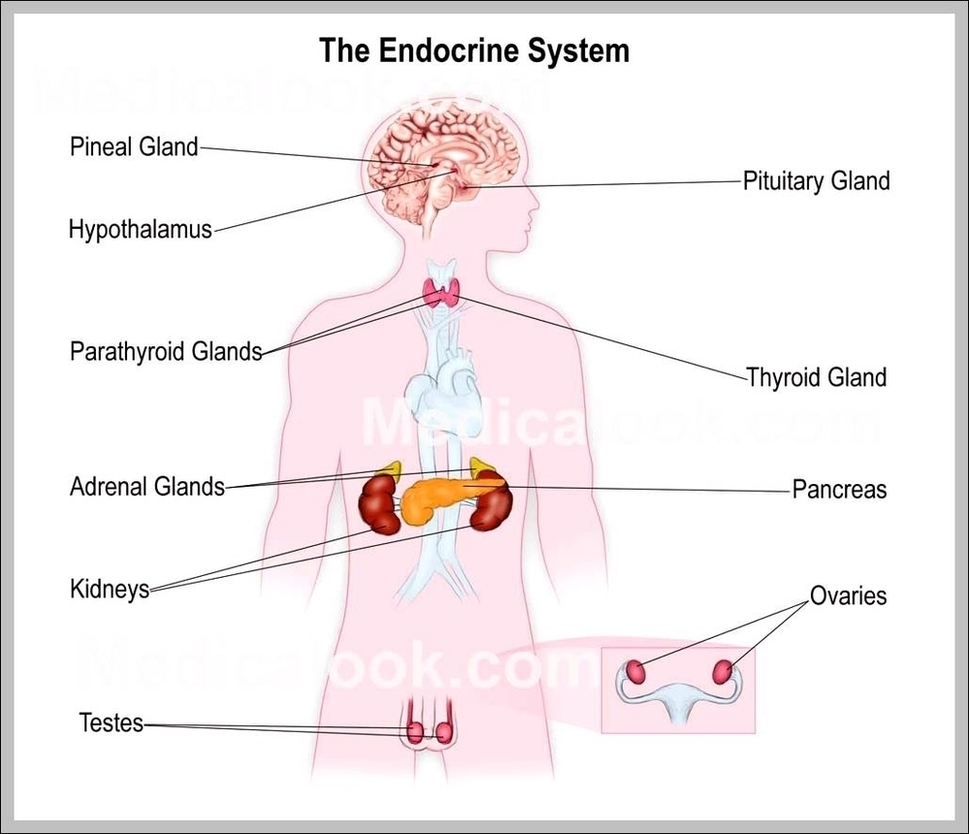
The endocrine system is a complex network of glands and organs. Endocrine system, any of the systems found in animals for the production of hormones, substances that regulate the functioning of the organism. It uses hormones to control and coordinate your body's metabolism, energy level, reproduction, growth and development, and. Endocrine tissues include your pituitary gland, thyroid, pancreas and others..

Your body uses hormones to control growth, development, metabolism, reproduction, mood, and other functions. This second communication system is the endocrine system, and its language is made up of chemical messengers called hormones. Hormones influence nearly every aspect of life, from regulating blood. It uses hormones to control and coordinate your body's metabolism, energy level, reproduction, growth and development, and..
Endocrine System Chart

The endocrine system[1] is a messenger system in an organism comprising feedback loops of hormones that are released by internal glands directly into the circulatory system and that target and regulate. Endocrine system, any of the systems found in animals for the production of hormones, substances that regulate the functioning of the organism. Anatomy (structures) of the endocrine system the.
Endocrine System Chart Laminated, Wall Sticking TeachingNest
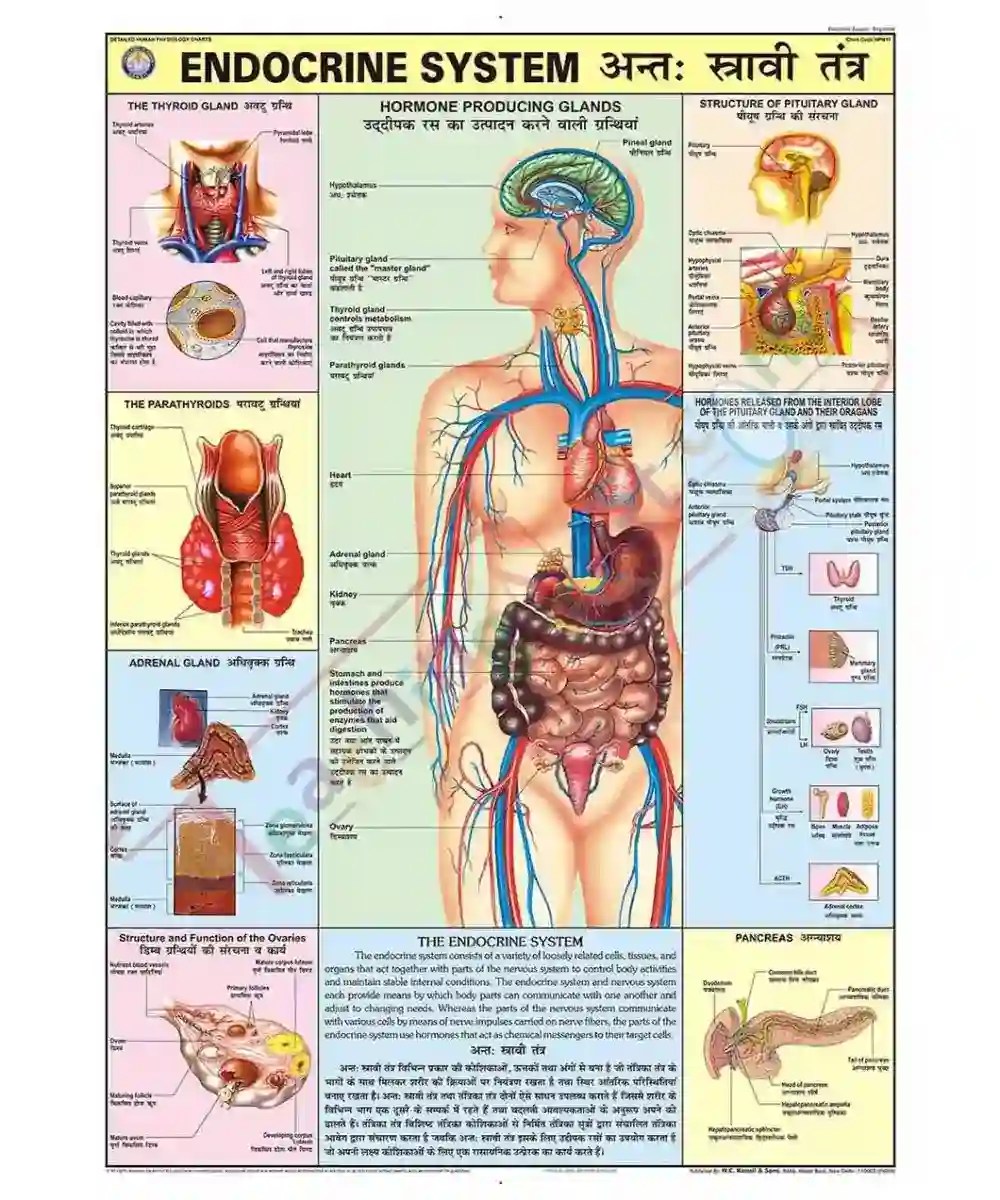
Your body uses hormones to control growth, development, metabolism, reproduction, mood, and other functions. The endocrine system[1] is a messenger system in an organism comprising feedback loops of hormones that are released by internal glands directly into the circulatory system and that target and regulate. The endocrine gland is the major. Your endocrine system is in charge of creating and.
Endocrine system chart Artofit
Your endocrine system is in charge of creating and releasing hormones to maintain countless bodily functions. The endocrine gland is the major. Hormones influence nearly every aspect of life, from regulating blood. Such a system may range, at its simplest,. This second communication system is the endocrine system, and its language is made up of chemical messengers called hormones.
Endocrine System Chart - Hormones influence nearly every aspect of life, from regulating blood. The endocrine gland is the major. Such a system may range, at its simplest,. Anatomy (structures) of the endocrine system the endocrine system consists of cells, tissues, and organs that secrete hormones as a primary or secondary function. It controls metabolism, growth, development, reproduction, sleep, and. The endocrine system consists of glands that make hormones.
Hormones are chemical substances that affect the activity of another part of the body (target site). Anatomy (structures) of the endocrine system the endocrine system consists of cells, tissues, and organs that secrete hormones as a primary or secondary function. It uses hormones to control and coordinate your body's metabolism, energy level, reproduction, growth and development, and. Your endocrine system is in charge of creating and releasing hormones to maintain countless bodily functions. This second communication system is the endocrine system, and its language is made up of chemical messengers called hormones.
It Controls Metabolism, Growth, Development, Reproduction, Sleep, And.
Hormones influence nearly every aspect of life, from regulating blood. Your body uses hormones to control growth, development, metabolism, reproduction, mood, and other functions. Endocrine system, any of the systems found in animals for the production of hormones, substances that regulate the functioning of the organism. This second communication system is the endocrine system, and its language is made up of chemical messengers called hormones.
It Uses Hormones To Control And Coordinate Your Body's Metabolism, Energy Level, Reproduction, Growth And Development, And.
Your endocrine system is in charge of creating and releasing hormones to maintain countless bodily functions. The endocrine system consists of glands that make hormones. The endocrine gland is the major. Such a system may range, at its simplest,.
The Endocrine System Uses Chemical Messengers Called Hormones To Regulate A Range Of Bodily Functions Through The Release Of Hormones.
Anatomy (structures) of the endocrine system the endocrine system consists of cells, tissues, and organs that secrete hormones as a primary or secondary function. Hormones are chemical substances that affect the activity of another part of the body (target site). The endocrine system consists of glands and tissues that secrete hormones to regulate physiological functions. The main function of endocrine glands is to secrete hormones directly into the bloodstream.
The Endocrine System Is A Complex Network Of Glands And Organs.
Endocrine tissues include your pituitary gland, thyroid, pancreas and others. The endocrine system[1] is a messenger system in an organism comprising feedback loops of hormones that are released by internal glands directly into the circulatory system and that target and regulate.