-1.png "Starter - Blogger Template")
Dual Axis Chart
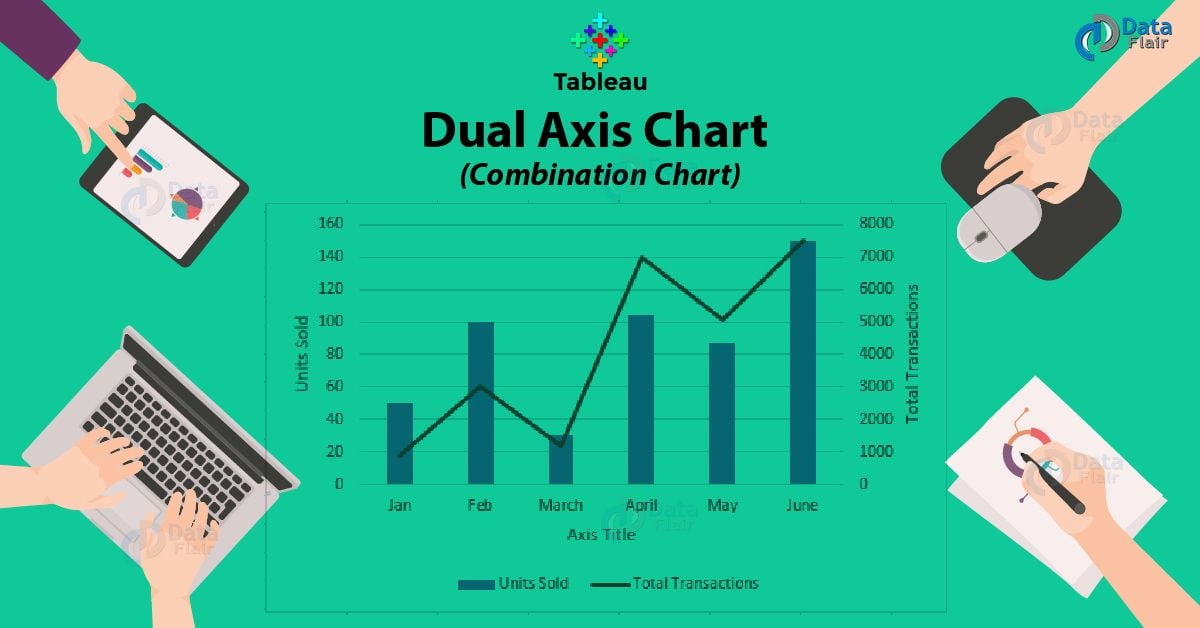
Dual Axis Chart - For example, you can combine a line chart that shows price data with a column chart that shows sales. Select the format tab and then select the arrow on the dropdown list, to see the two series. A waterfall chart shows a running total as values are added or subtracted. When a chart displays a secondary vertical (value) axis, you can also change the scale of that axis. Learn to create a chart and add a trendline. Change the text and format of category axis labels and the number format of value axis labels in your chart (graph).
To emphasize different kinds of information in a chart, you can combine two or more charts. A waterfall chart shows a running total as values are added or subtracted. For example, you can combine a line chart that shows price data with a column chart that shows sales. Select the format tab and then select the arrow on the dropdown list, to see the two series. It's useful for understanding how an initial value (for example, net income) is affected by a series of positive and negative values.
Tableau Dual Axis Chart Examples, Steps, How to Create

Change the text and format of category axis labels and the number format of value axis labels in your chart (graph). Display or hide axes, or change other aspects of a chart axes in excel, word, outlook, or powerpoint. It's useful for understanding how an initial value (for example, net income) is affected by a series of positive and negative.
Dual YAxis Combo Chart PBI VizEdit

It's useful for understanding how an initial value (for example, net income) is affected by a series of positive and negative values. Select the format tab and then select the arrow on the dropdown list, to see the two series. A waterfall chart shows a running total as values are added or subtracted. Change the text and format of category.
Create a stunning dual axis chart and engage your viewers

To plot one of the data series along a secondary vertical axis, select the data series, or select it from a list of chart elements (on the format tab, in the current selection group, select chart elements). A line graph shows how two pieces of information vary in relation to each other. In this chart, the primary vertical axis on.

In the chart, select the data series that you want to. A waterfall chart shows a running total as values are added or subtracted. Change the text and format of category axis labels and the number format of value axis labels in your chart (graph). It's useful for understanding how an initial value (for example, net income) is affected by.
For example, a line graph can show how the cost of shipping changed over a five year period, or how a population of. It's useful for understanding how an initial value (for example, net income) is affected by a series of positive and negative values. Display or hide axes, or change other aspects of a chart axes in excel, word,.
Dual Axis Chart - For example, you can combine a line chart that shows price data with a column chart that shows sales. A waterfall chart shows a running total as values are added or subtracted. In the chart, select the data series that you want to. Select the format tab and then select the arrow on the dropdown list, to see the two series. To combine the line and column charts into a combo chart, set the primary and secondary series: For more information about displaying a secondary vertical axis, see add or remove a secondary axis in.
For more information about displaying a secondary vertical axis, see add or remove a secondary axis in. A waterfall chart shows a running total as values are added or subtracted. For example, you can combine a line chart that shows price data with a column chart that shows sales. Display or hide axes, or change other aspects of a chart axes in excel, word, outlook, or powerpoint. To emphasize different kinds of information in a chart, you can combine two or more charts.
A Waterfall Chart Shows A Running Total As Values Are Added Or Subtracted.
When a chart displays a secondary vertical (value) axis, you can also change the scale of that axis. Learn to create a chart and add a trendline. In the chart, select the data series that you want to. For more information about displaying a secondary vertical axis, see add or remove a secondary axis in.
Select The Format Tab And Then Select The Arrow On The Dropdown List, To See The Two Series.
In this chart, the primary vertical axis on the left is used for sales volumes, whereas the secondary vertical axis on the right side is for price figures. For example, a line graph can show how the cost of shipping changed over a five year period, or how a population of. Display or hide axes, or change other aspects of a chart axes in excel, word, outlook, or powerpoint. To plot one of the data series along a secondary vertical axis, select the data series, or select it from a list of chart elements (on the format tab, in the current selection group, select chart elements).
To Emphasize Different Kinds Of Information In A Chart, You Can Combine Two Or More Charts.
For example, you can combine a line chart that shows price data with a column chart that shows sales. It's useful for understanding how an initial value (for example, net income) is affected by a series of positive and negative values. A line graph shows how two pieces of information vary in relation to each other. Change the text and format of category axis labels and the number format of value axis labels in your chart (graph).