-1.png "Starter - Blogger Template")
Cat Tail Language Chart
Cat Tail Language Chart - 1 cat with <<eof>> will create or append the content to the existing file, won't overwrite. 46 there are a few ways to pass the list of files returned by the find command to the cat command, though technically not all use piping, and none actually pipe directly to cat. Is there replacement for cat on windows [closed] asked 17 years, 5 months ago modified 11 months ago viewed 553k times Cat some text here. > myfile.txt possible? Xnew_from_cat = torch.cat((x, x, x), 1) print(f'{xnew_from_cat.size()}') print() # stack serves the same role as append in lists. Examples of cat <<eof syntax usage in bash:
46 there are a few ways to pass the list of files returned by the find command to the cat command, though technically not all use piping, and none actually pipe directly to cat. This doesn't work for me, but also doesn't throw any errors. Examples of cat <<eof syntax usage in bash: 1 cat with <<eof>> will create or append the content to the existing file, won't overwrite. It doesn't change the original # vector space but instead adds a.
Cat Tail Meanings Chart Know Your Cat Tail Language

Is there replacement for cat on windows [closed] asked 17 years, 5 months ago modified 11 months ago viewed 553k times It doesn't change the original # vector space but instead adds a. Whereas cat with <<eof> will create or overwrite the content. What i want to do is to give control to the keyboard stream. How do i read.
Understanding Cat Tail Language at Ava Henty blog

It doesn't change the original # vector space but instead adds a. Xnew_from_cat = torch.cat((x, x, x), 1) print(f'{xnew_from_cat.size()}') print() # stack serves the same role as append in lists. 46 there are a few ways to pass the list of files returned by the find command to the cat command, though technically not all use piping, and none actually.
A Guide To The Cat Tail Position Meaning Chart

46 there are a few ways to pass the list of files returned by the find command to the cat command, though technically not all use piping, and none actually pipe directly to cat. What i want to do is to give control to the keyboard stream. It doesn't change the original # vector space but instead adds a. This.
How to Read Your Cat's Tail Language and Meaning
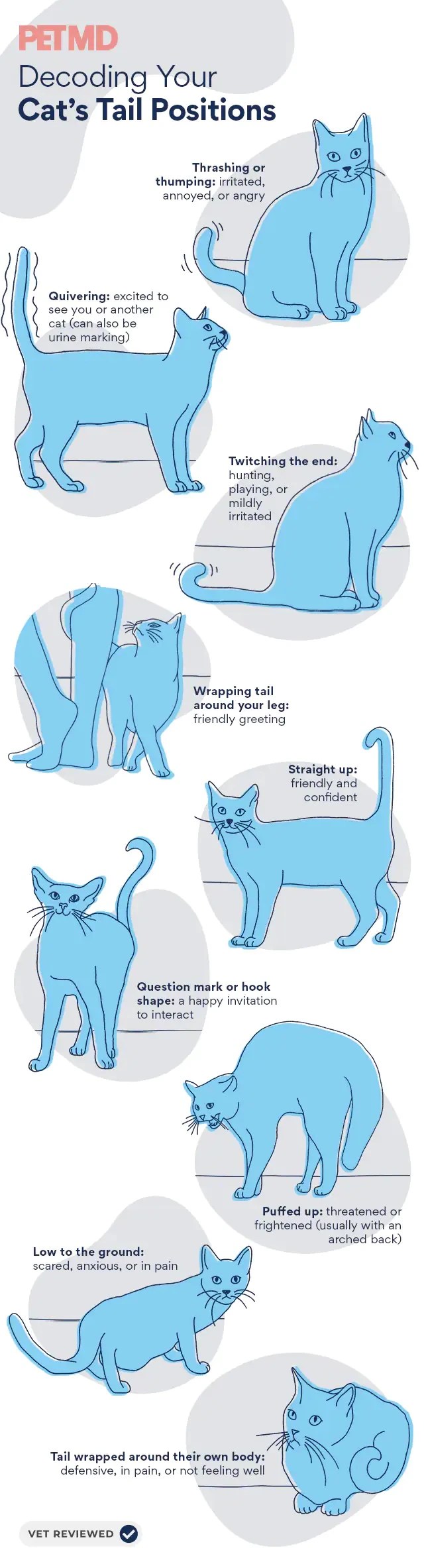
Whereas cat with <<eof> will create or overwrite the content. In practice it simply converts arguments to. Examples of cat <<eof syntax usage in bash: Cat is valid only for atomic types (logical, integer, real, complex, character) and names. Is there replacement for cat on windows [closed] asked 17 years, 5 months ago modified 11 months ago viewed 553k times
Cat Tail Language Read Your Cat's Emotions Through Tail Movements
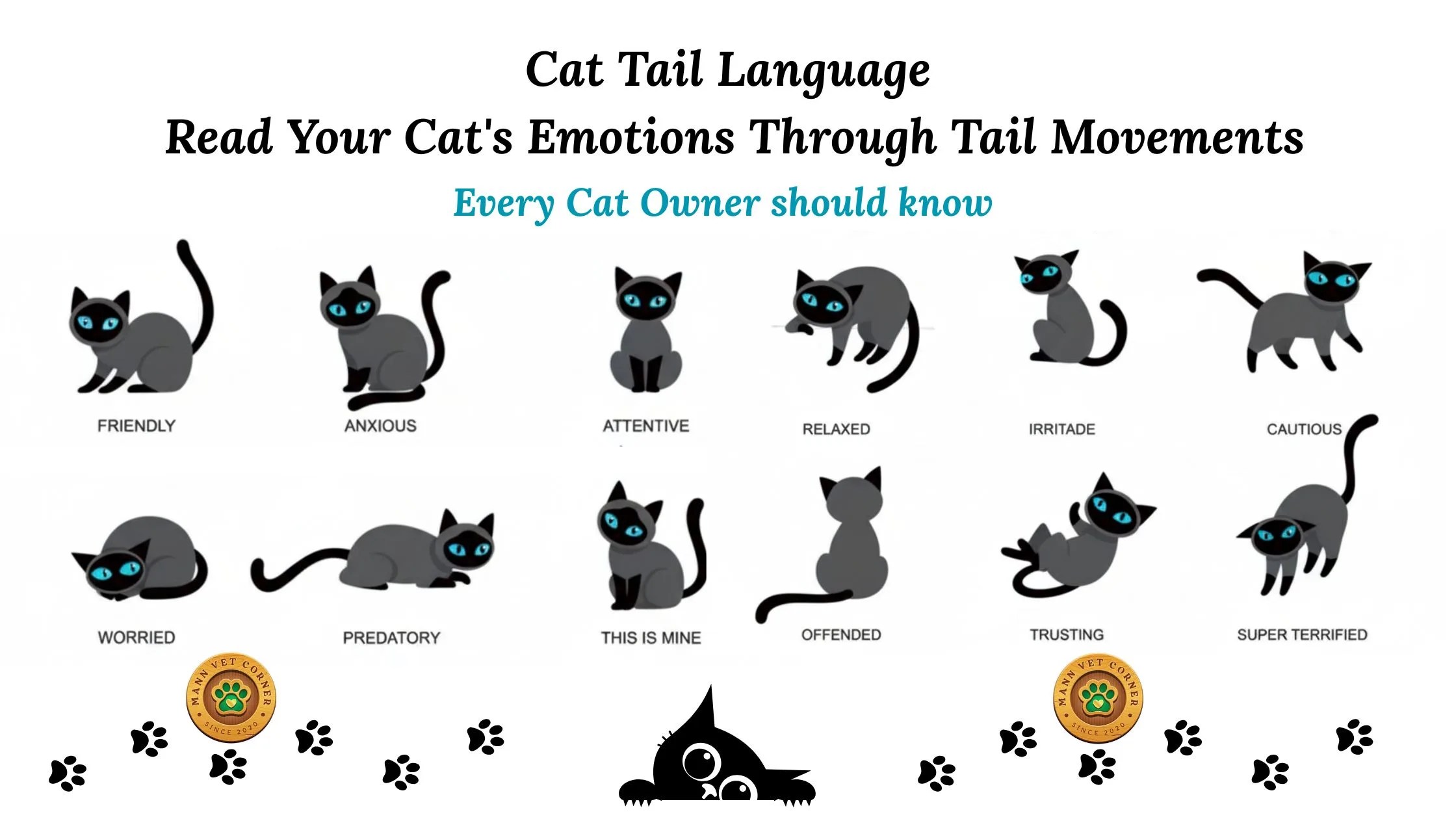
This doesn't work for me, but also doesn't throw any errors. In practice it simply converts arguments to. Such that the contents of myfile.txt would now be overwritten to: Xnew_from_cat = torch.cat((x, x, x), 1) print(f'{xnew_from_cat.size()}') print() # stack serves the same role as append in lists. Whereas cat with <<eof> will create or overwrite the content.
Cat Tail Language Chart - This doesn't work for me, but also doesn't throw any errors. It doesn't change the original # vector space but instead adds a. Examples of cat <<eof syntax usage in bash: Cat some text here. > myfile.txt possible? Cat is valid only for atomic types (logical, integer, real, complex, character) and names. In practice it simply converts arguments to.
How do i read the first line of a file using cat? Xnew_from_cat = torch.cat((x, x, x), 1) print(f'{xnew_from_cat.size()}') print() # stack serves the same role as append in lists. Is there replacement for cat on windows [closed] asked 17 years, 5 months ago modified 11 months ago viewed 553k times Cat is valid only for atomic types (logical, integer, real, complex, character) and names. Whereas cat with <<eof> will create or overwrite the content.
This Doesn't Work For Me, But Also Doesn't Throw Any Errors.
Whereas cat with <<eof> will create or overwrite the content. 1 cat with <<eof>> will create or append the content to the existing file, won't overwrite. What i want to do is to give control to the keyboard stream. Cat some text here. > myfile.txt possible?
Cat Is Valid Only For Atomic Types (Logical, Integer, Real, Complex, Character) And Names.
Examples of cat < Is there replacement for cat on windows [closed] asked 17 years, 5 months ago modified 11 months ago viewed 553k times Xnew_from_cat = torch.cat((x, x, x), 1) print(f'{xnew_from_cat.size()}') print() # stack serves the same role as append in lists. Such that the contents of myfile.txt would now be overwritten to: It doesn't change the original # vector space but instead adds a.In Practice It Simply Converts Arguments To.