-1.png "Starter - Blogger Template")
Back Muscle Chart
Back Muscle Chart - Please refer to the lower back muscle picture below to see all of the muscles of the back. Muscles of the back superficial muscles (extrinsic) are associated with movements of the shoulder. What are the muscles of the back? What are the muscles of the human back: To spare you from hours of memorization, we’ve made some pretty cool video. Learn attachments, actions and nerve supply relevant to clinical practice.
The pelvic floor muscles also help increase this pressure, which provides stability to the spine and trunk. Intermediate muscles (extrinsic) are associated with movements of the thoracic cage. Please refer to the lower back muscle picture below to see all of the muscles of the back. The muscles of the back are essential for supporting the spine, maintaining good posture, and allowing for movement of the trunk and spine. What are the muscles of the back?
Muscle Chart Back Muscle Diagram Of The Female Body With Accurate

Extrinsic (superficial), intermediate, & intrinsic (deep) muscles in upper & lower back with function & labeled diagram To spare you from hours of memorization, we’ve made some pretty cool video. Back muscles, like all muscles in the body, are made up of several key components that work together to generate force and movement. Structure of the human body loyola university.
Back Muscles Chart by BadFish81 on DeviantArt

Muscles of the back superficial muscles (extrinsic) are associated with movements of the shoulder. What are the muscles of the back? A back muscles anatomy chart shows the muscles of the back, including the trapezius, latissimus dorsi, and the erector spinae, helping to understand their role in posture and. To spare you from hours of memorization, we’ve made some pretty.
Upper Back Muscle Anatomy Image Anatomy System Human Body Anatomy
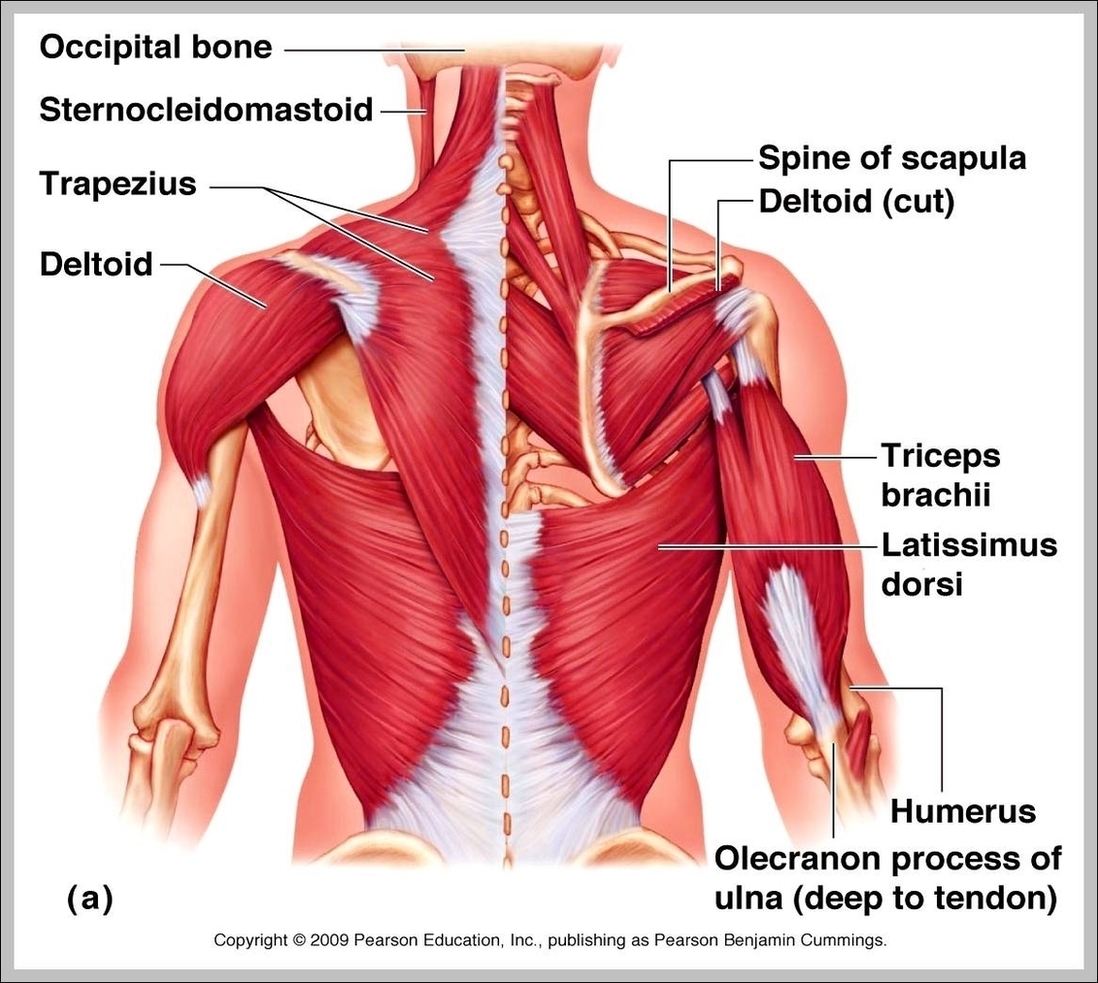
Some support your spine and trunk (your midsection or torso). Others help you stand up, maintain your posture and help you. To spare you from hours of memorization, we’ve made some pretty cool video. What are the muscles of the back? Your back has many different muscles.
Illustration Stock Male Back Muscle Chart Adobe Stock

We’ve created these muscle anatomy reference charts to make your muscle study session easier. Please refer to the lower back muscle picture below to see all of the muscles of the back. The muscles of the back are essential for supporting the spine, maintaining good posture, and allowing for movement of the trunk and spine. What are the muscles of.

Extrinsic (superficial), intermediate, & intrinsic (deep) muscles in upper & lower back with function & labeled diagram What are the muscles of the back? The muscles of the back are essential for supporting the spine, maintaining good posture, and allowing for movement of the trunk and spine. We’ve created these muscle anatomy reference charts to make your muscle study session.
Back Muscle Chart - Study the muscles of the back including the superficial, intermediate and deep layers. Learn attachments, actions and nerve supply relevant to clinical practice. The muscles of the back are essential for supporting the spine, maintaining good posture, and allowing for movement of the trunk and spine. The pelvic floor muscles also help increase this pressure, which provides stability to the spine and trunk. Extrinsic (superficial), intermediate, & intrinsic (deep) muscles in upper & lower back with function & labeled diagram Others help you stand up, maintain your posture and help you.
Intermediate muscles (extrinsic) are associated with movements of the thoracic cage. A back muscles anatomy chart shows the muscles of the back, including the trapezius, latissimus dorsi, and the erector spinae, helping to understand their role in posture and. To spare you from hours of memorization, we’ve made some pretty cool video. What are the muscles of the back? Some support your spine and trunk (your midsection or torso).
Please Refer To The Lower Back Muscle Picture Below To See All Of The Muscles Of The Back.
Here's a breakdown of the main components that. Muscles of the back superficial muscles (extrinsic) are associated with movements of the shoulder. Others help you stand up, maintain your posture and help you. Learn attachments, actions and nerve supply relevant to clinical practice.
Extrinsic (Superficial), Intermediate, & Intrinsic (Deep) Muscles In Upper & Lower Back With Function & Labeled Diagram
Back muscles, like all muscles in the body, are made up of several key components that work together to generate force and movement. We’ve created these muscle anatomy reference charts to make your muscle study session easier. Structure of the human body loyola university chicago stritch school of medicine A back muscles anatomy chart shows the muscles of the back, including the trapezius, latissimus dorsi, and the erector spinae, helping to understand their role in posture and.
Some Support Your Spine And Trunk (Your Midsection Or Torso).
What are the muscles of the human back: To spare you from hours of memorization, we’ve made some pretty cool video. The muscles of the back are essential for supporting the spine, maintaining good posture, and allowing for movement of the trunk and spine. Back muscle table robert frysztak, phd.
Your Back Has Many Different Muscles.
The pelvic floor muscles also help increase this pressure, which provides stability to the spine and trunk. Study the muscles of the back including the superficial, intermediate and deep layers. What are the muscles of the back? Intermediate muscles (extrinsic) are associated with movements of the thoracic cage.