-1.png "Starter - Blogger Template")
Abdomen Organ Chart
Abdomen Organ Chart - The abdomen ultimately serves as a cavity to house vital organs of the digestive, urinary, endocrine, exocrine, circulatory, and parts of the reproductive system. It is divided into specific quadrants and regions for medical and anatomical. The major organs of the abdomen include the small intestine, large intestine, and stomach. These organs include the stomach, kidneys, and liver. Learn about its functions in digestion, metabolism, respiration, and related clinical conditions. This section examines the layered anatomy of the abdominal wall and the.
This section examines the layered anatomy of the abdominal wall and the. It is divided into specific quadrants and regions for medical and anatomical. The abdomen contains organs essential for digestion, urination, and bowel movements. Learn about its functions in digestion, metabolism, respiration, and related clinical conditions. The stomach, the small intestine (jejunum and ileum), the large intestine (colon), the liver, the spleen, the gallbladder, the pancreas, the uterus, the.
Abdominal Organs Labelled diagram
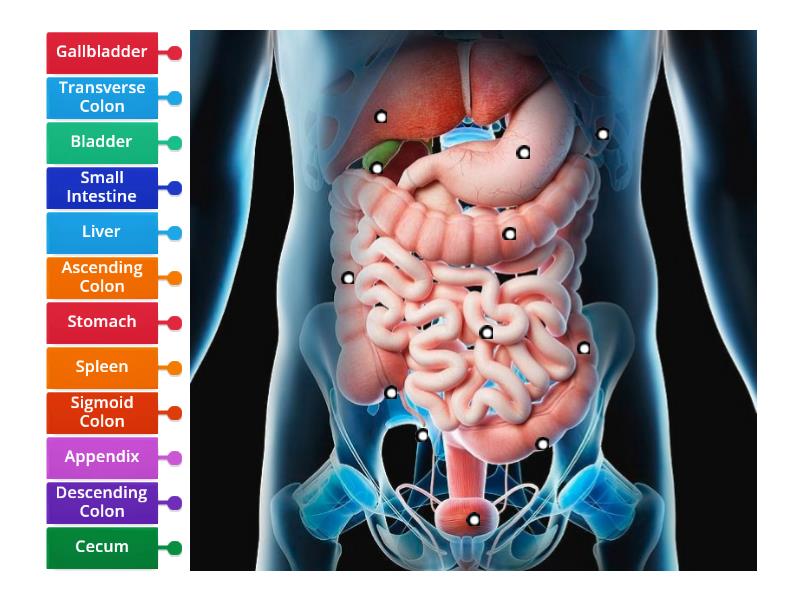
Learn about its functions in digestion, metabolism, respiration, and related clinical conditions. In vertebrates, the abdomen is a large body cavity enclosed by the abdominal muscles, at the front and to the sides, and by part of the vertebral column at the back. Abdomen, in human anatomy, the body cavity lying between the chest or thorax above and the pelvis.
Abdomen Anatomical Structure with Inner Body Stomach Organs Outline

The abdomen is enclosed by the abdominal wall and contains the peritoneal cavity, which holds various abdominal organs. Abdomen, in human anatomy, the body cavity lying between the chest or thorax above and the pelvis below and from the spine in the back to the wall of abdominal muscles in the front. The major organs of the abdomen include the.
Illustrated diagram of the human abdomen showing internal organs

The abdomen is enclosed by the abdominal wall and contains the peritoneal cavity, which holds various abdominal organs. The stomach, the small intestine (jejunum and ileum), the large intestine (colon), the liver, the spleen, the gallbladder, the pancreas, the uterus, the. This page will introduce you to the most important anatomical features of the abdomen and pelvis and serve as.
Chart Of Organs In The Human Body

The stomach, the small intestine (jejunum and ileum), the large intestine (colon), the liver, the spleen, the gallbladder, the pancreas, the uterus, the. In vertebrates, the abdomen is a large body cavity enclosed by the abdominal muscles, at the front and to the sides, and by part of the vertebral column at the back. Learn about its functions in digestion,.
What Organ Is Directly Below Belly Button at Jack Anderson blog

The abdomen is enclosed by the abdominal wall and contains the peritoneal cavity, which holds various abdominal organs. This page will introduce you to the most important anatomical features of the abdomen and pelvis and serve as a hub from which you can hop into more detailed study materials. Abdomen, in human anatomy, the body cavity lying between the chest.
Abdomen Organ Chart - Abdomen, in human anatomy, the body cavity lying between the chest or thorax above and the pelvis below and from the spine in the back to the wall of abdominal muscles in the front. The abdomen is enclosed by the abdominal wall and contains the peritoneal cavity, which holds various abdominal organs. This page will introduce you to the most important anatomical features of the abdomen and pelvis and serve as a hub from which you can hop into more detailed study materials. The abdomen ultimately serves as a cavity to house vital organs of the digestive, urinary, endocrine, exocrine, circulatory, and parts of the reproductive system. The major organs of the abdomen include the small intestine, large intestine, and stomach. Learn about its functions in digestion, metabolism, respiration, and related clinical conditions.
The abdomen ultimately serves as a cavity to house vital organs of the digestive, urinary, endocrine, exocrine, circulatory, and parts of the reproductive system. Together, these three turn nutrients into usable energy, as well as help dispose of solid waste. The stomach, the small intestine (jejunum and ileum), the large intestine (colon), the liver, the spleen, the gallbladder, the pancreas, the uterus, the. Abdomen, in human anatomy, the body cavity lying between the chest or thorax above and the pelvis below and from the spine in the back to the wall of abdominal muscles in the front. This page will introduce you to the most important anatomical features of the abdomen and pelvis and serve as a hub from which you can hop into more detailed study materials.
It Is Divided Into Specific Quadrants And Regions For Medical And Anatomical.
The abdomen contains many vital organs: These organs include the stomach, kidneys, and liver. Together, these three turn nutrients into usable energy, as well as help dispose of solid waste. The abdomen contains many of the body’s vital organs and plays a central role in digestion, circulation and immunity.
This Page Will Introduce You To The Most Important Anatomical Features Of The Abdomen And Pelvis And Serve As A Hub From Which You Can Hop Into More Detailed Study Materials.
The stomach, the small intestine (jejunum and ileum), the large intestine (colon), the liver, the spleen, the gallbladder, the pancreas, the uterus, the. The abdomen ultimately serves as a cavity to house vital organs of the digestive, urinary, endocrine, exocrine, circulatory, and parts of the reproductive system. In vertebrates, the abdomen is a large body cavity enclosed by the abdominal muscles, at the front and to the sides, and by part of the vertebral column at the back. Abdomen, in human anatomy, the body cavity lying between the chest or thorax above and the pelvis below and from the spine in the back to the wall of abdominal muscles in the front.
The Major Organs Of The Abdomen Include The Small Intestine, Large Intestine, And Stomach.
The abdomen contains organs essential for digestion, urination, and bowel movements. The abdomen is enclosed by the abdominal wall and contains the peritoneal cavity, which holds various abdominal organs. Learn about its functions in digestion, metabolism, respiration, and related clinical conditions. This section examines the layered anatomy of the abdominal wall and the.